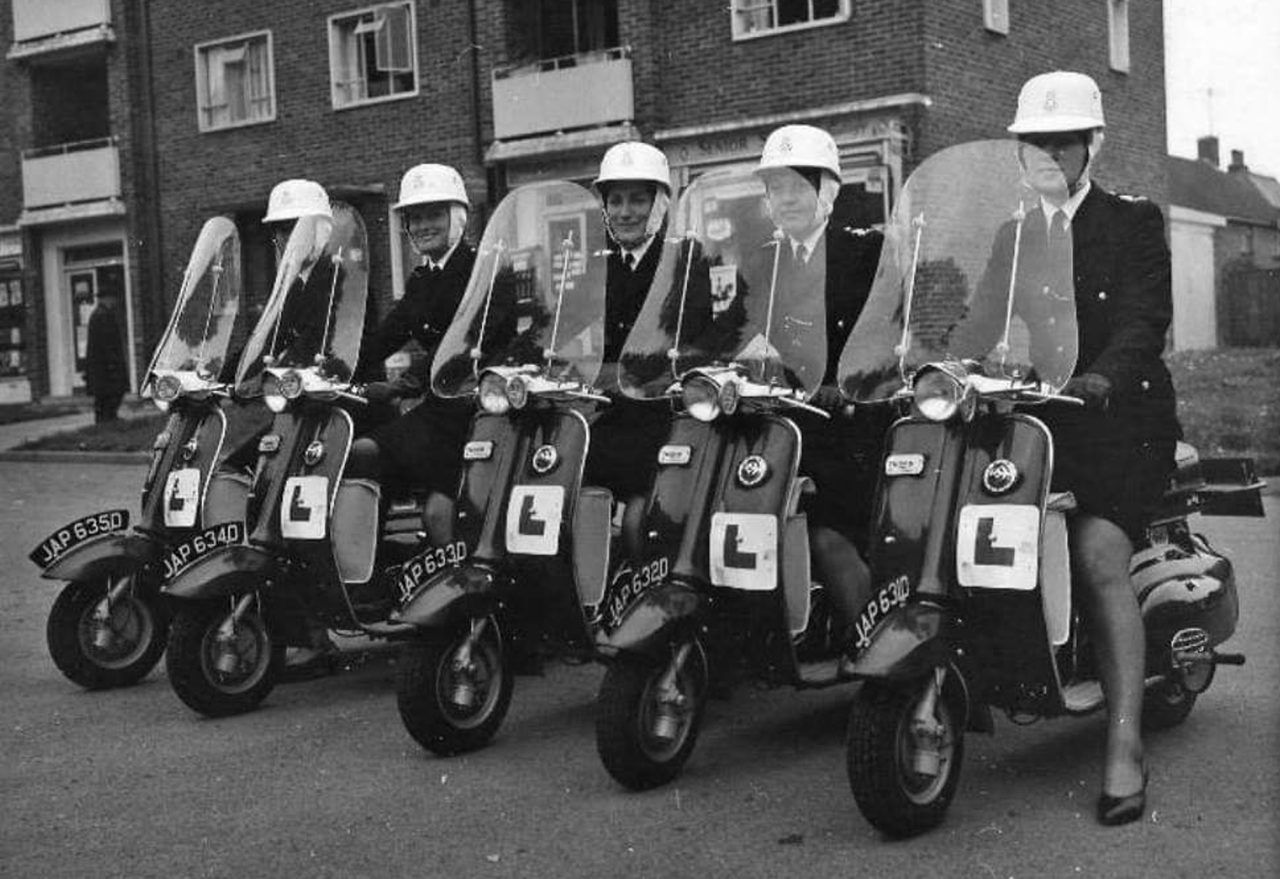
“The First Women of the Road” Traffic Policing in Sussex, 1967–1969
In 1966, Sir George Terry introduced the first of many MG BGTs into the traffic fleet. With their arrival came another innovation, the now familiar “jam sandwich” livery, a high visibility design that would later spread across police vehicles nationwide.
But Sir George’s vision extended beyond vehicles. In 1967, he made the decision to deploy two Women Police Constables (WPCs) as a dedicated traffic crew, an unprecedented step at the time.
Read more about the first women to work in traffic policing in Sussex here.
Acid Bath Murder
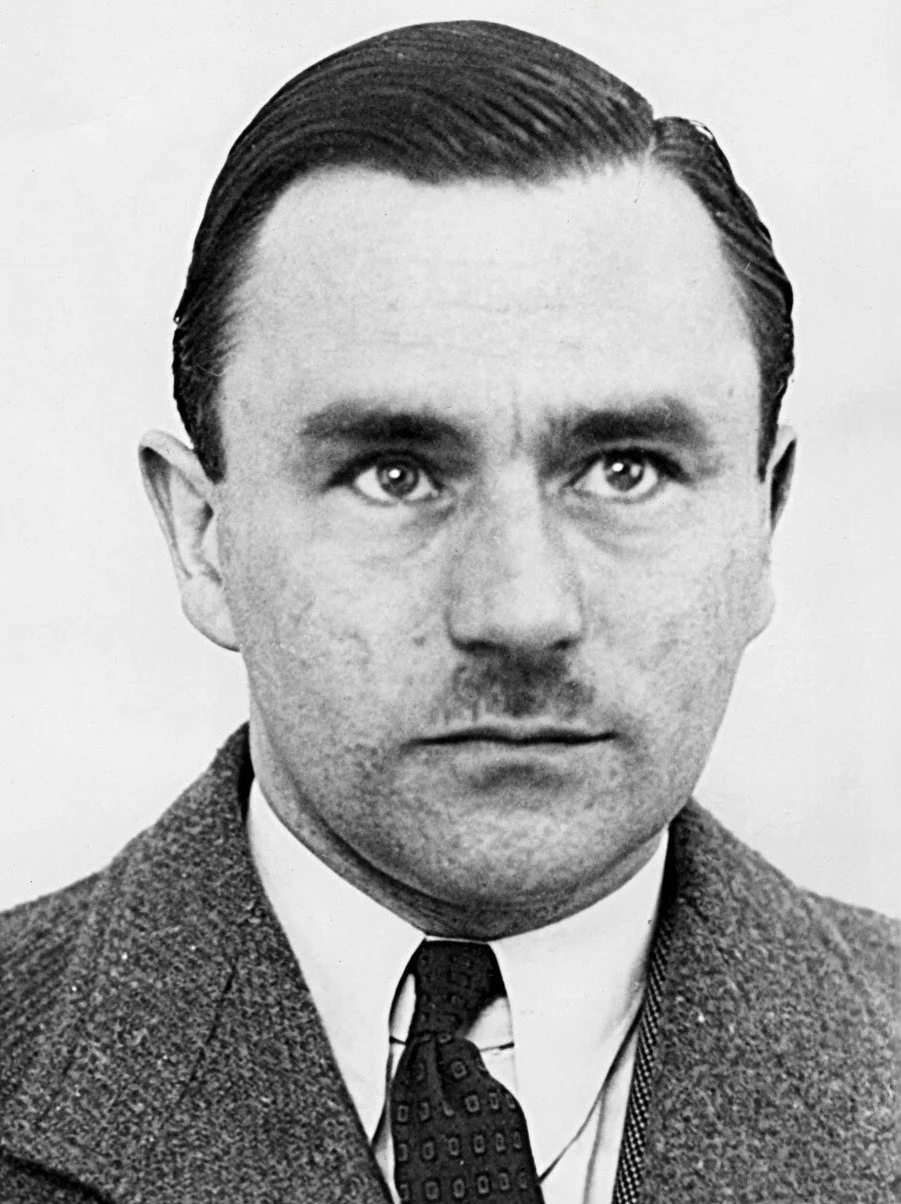
In the aftermath of the Second World War, Britain faced a new breed of criminal: educated, methodical and confident in the limitations of forensic science. Few embodied this more than the man later dubbed the “Acid Bath Murderer.” Between 1944 and 1949 he killed at least six people, dissolving their bodies in sulphuric acid in the belief that without a body, murder could not be proved.
His crimes exposed weaknesses in mid-twentieth-century forensic practice and forced detectives to adapt, innovate and challenge long-held assumptions. Nowhere is this story more closely tied than Sussex, where the murders and investigations unfolded.
Read more about this case here

The Felonious and Wilful Murder of Edith Jeal: The Brighton Outrage By Charles James Hayward
If the historic and intriguing cells of the Old Police Museum could talk, the walls could tell of many heinous and brutal crimes. However, despite being equally wicked and sensational, some have been forgotten with time, despite being similarly high-profile and horrific.
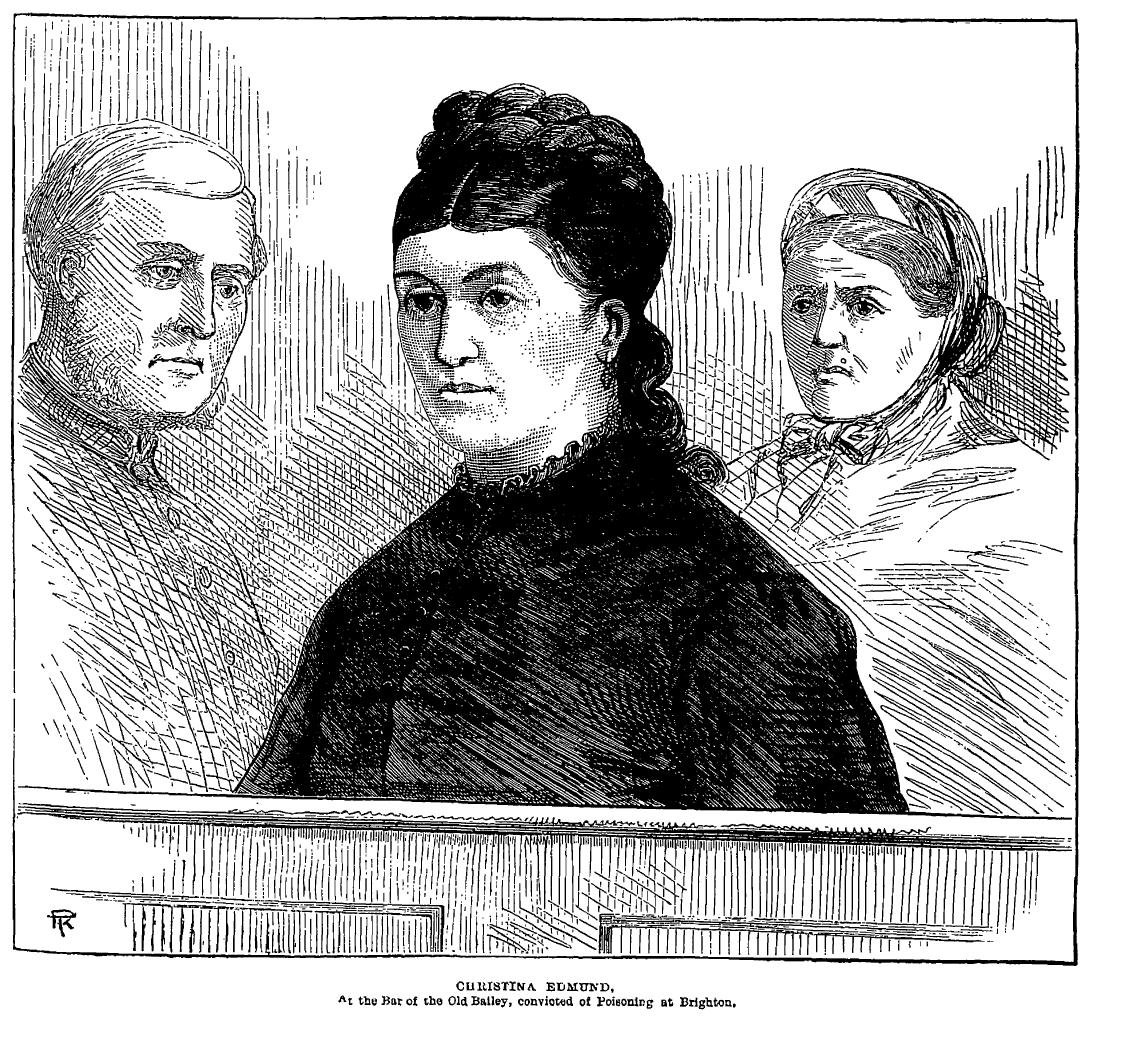
Christiana Edmunds: The Chocolate Cream Killer
The life and crime of Christiana Edmunds and why she was known as the Chocolate Cream Killer.
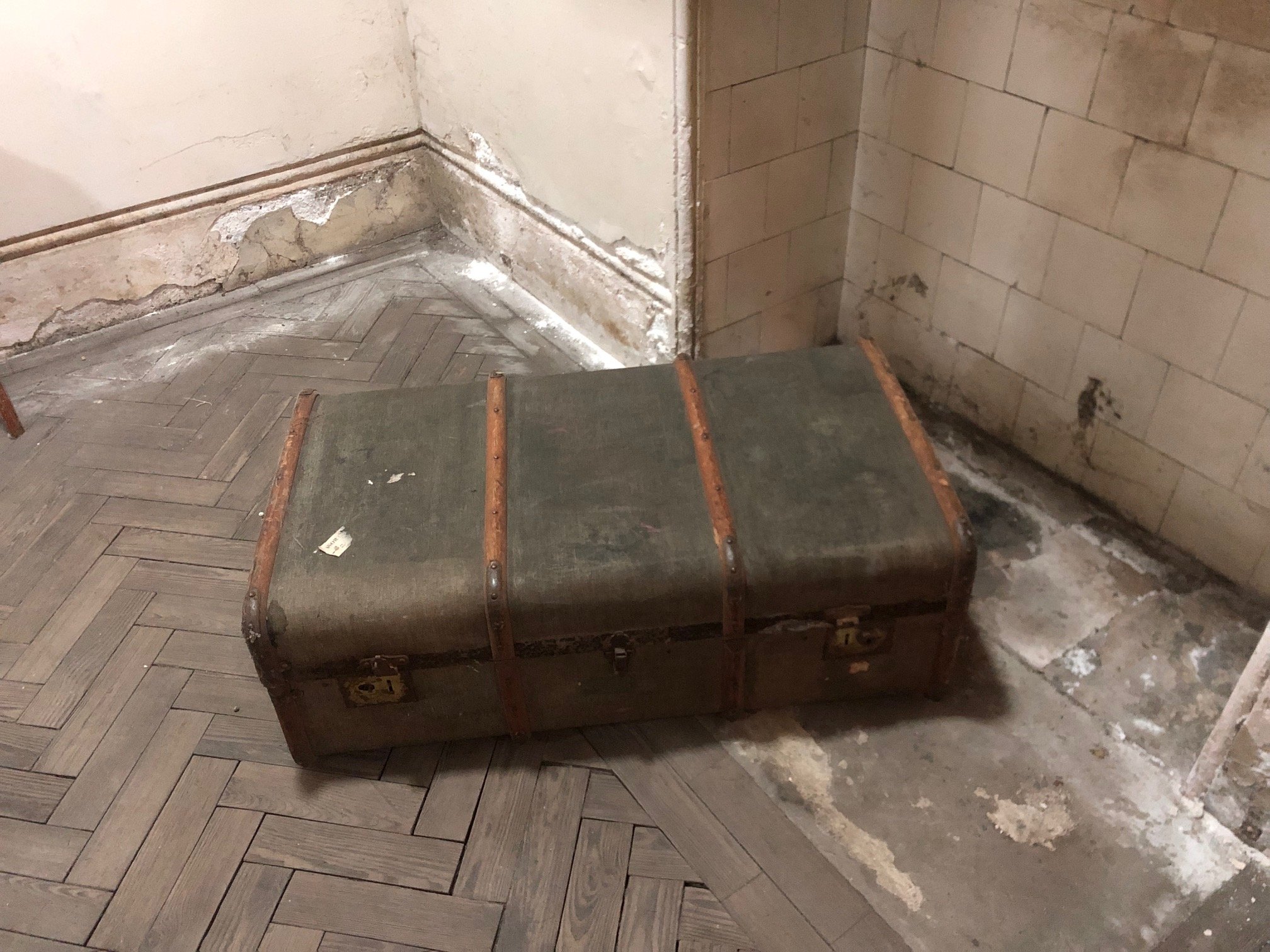
The Brighton Trunk Murders
The Brighton trunk murders span across two decades with three bodies being found crammed into trunks from London to Brighton.
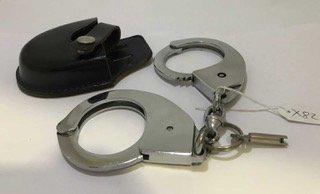
The Murder Trial that put Eastbourne on the Map
What happens when a doctor misuses the trust that has been bestowed upon him by his patients to fulfil his selfish needs?

Henry Solomon
Brighton is now known for its fabulous seaside and fun-loving residents, but in 1844 a vicious crime shook the whole city to its core. The murder of Henry Solomon.
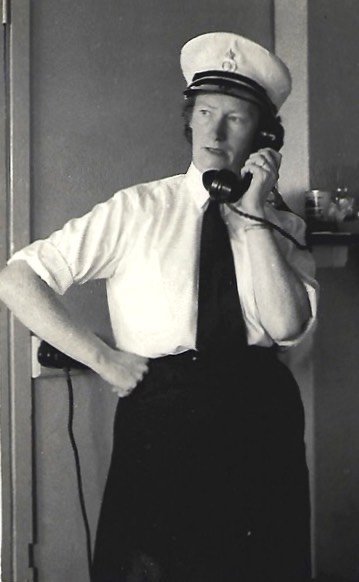
A Brighton Policewoman
Mary Constantine had a difficult life after losing her father during the First World War. Despite this she was determined to do well and rather than work in a factory during the Second World War she sought adventure and joined the Navy as a WREN, and then determined not to return to clerical work she joined Brighton Borough Police and within a short period of time became one of only two women sergeants in the Force. Read more about her story here.

John Heath
John Heath served as a Police Constable in Brighton from 1869 to 1894, but his story begins with his fascinating service in the US Navy, in which he was so determined to serve that even after being medically retired, he re-enlisted under a false name. Read about his story here.